For plantar fasciitis, the goal is usually reducing stress on the plantar fascia, not just getting the softest shoe. The best options typically combine:
Plenty of heel cushioning
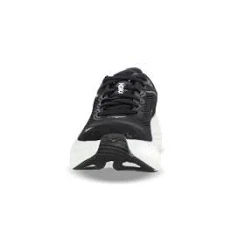
- HOKA Bondi 9
- Brooks Adrenaline GTS 25
- photo not availableASICS GEL-KAYANO 31
- photo not availableBrooks Ghost Max 2
Show the full reply
For plantar fasciitis, the goal is usually reducing stress on the plantar fascia, not just getting the softest shoe. The best options typically combine:
Plenty of heel cushioning
A stable platform (so your foot doesn't wobble)
Moderate-to-high heel-to-toe drop (often 8–12 mm works well for many people)
Good arch support (or room for an orthotic if you use one)
Here are some of the strongest choices based on podiatrist recommendations and independent running shoe testing:
HOKA Bondi 9
$139.97
•
DICK’S Sporting Goods
Why it's a top pick: Extremely cushioned with a wide, stable base that helps reduce impact on the heel. Frequently recommended for runners recovering from plantar fasciitis.
#1 Athletic Shoe Review Site
+1
Other excellent options:
Brooks Adrenaline GTS 25
$154.99 · DICK’S Sporting Goods
Great if you overpronate or need extra support. The GuideRails stability system helps control excess foot motion without feeling overly rigid.
#1 Athletic Shoe Review Site
ASICS GEL-KAYANO 31
$164.99 · DICK’S Sporting Goods
A premium stability shoe with excellent cushioning. A favorite for runners who need support and have flat feet or moderate overpronation.
Balance Foot & Ankle
Brooks Ghost Max 2
$107.97 · DICK’S Sporting Goods
A neutral shoe with maximum cushioning and a stable geometry, making it a good choice if you don't need traditional stability features but still want to reduce heel stress.
Southern Living
If you have a neutral gait
HOKA Bondi 9
Brooks Ghost Max 2
Saucony Ride 19 (highly rated by independent testers)
#1 Athletic Shoe Review Site
If you overpronate or have flat feet
Brooks Adrenaline GTS 25
ASICS GEL-KAYANO 31
HOKA Arahi 8
If you have wide feet
Look for wide (2E/4E) versions of:
HOKA Bondi
Brooks Adrenaline
New Balance 1080
ASICS GEL-KAYANO
A few additional tips
Replace worn-out shoes if they've accumulated roughly 300–500 miles.
Avoid minimalist or very flexible shoes while symptoms are active.
If you already wear orthotics, choose a shoe with a removable insole.
Gradually transition into new shoes rather than switching overnight.
If you tell me:
Men's or women's?
Your weight
Neutral, flat feet, or high arches?
Road or trail running?
Budget?
I can narrow it down to the 2–3 shoes that are most likely to work well for your specific situation.